Steven Spielberg
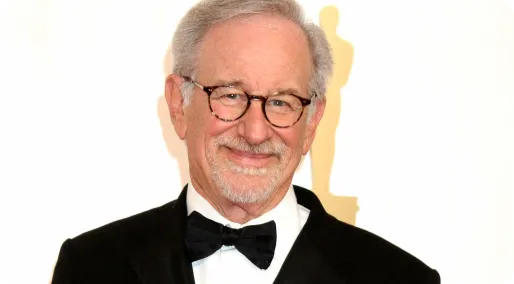
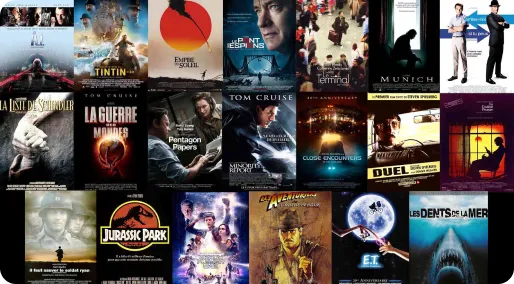
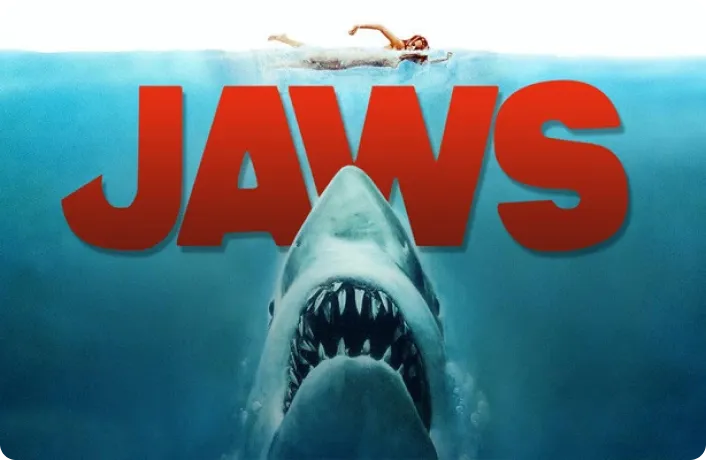
is one of the most influential directors in the history of cinema. Born in 1946, he began his career by revolutionizing cinema with Jaws (1975), considered the first modern "blockbuster". He went on to make his mark with such classics as E.T. the Extra- Terrestrial (1982), about the friendship between a boy and an extraterrestrial, and the Indiana Jones saga (1981-2008), which set the standard for adventure films.
Beyond his popular successes
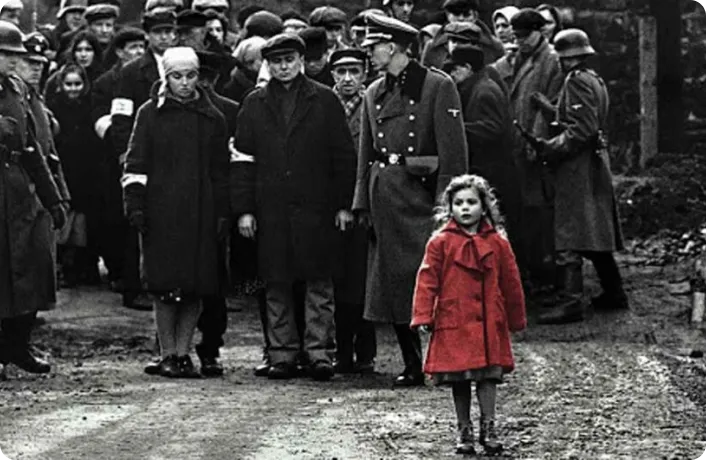
Spielberg explored deeper themes with Schindler's List (1993), a work about the Holocaust that won several Oscars, and Saving Private Ryan (1998), a realistic war film that made its mark with its gripping depiction of combat. These films testify to his ability to blend entertainment and reflection, telling poignant stories while captivating a wide audience.
In the 2000s
he turned to science fiction with works such as Minority Report (2002), which explores a future where crimes are predicted thanks to technology, and A.I. Artificial Intelligence (2001), a project begun by Stanley Kubrick, which examines the relationship between humans and robots. These films reveal his interest in technological advances and their social and ethical implications.

With Ready Player One
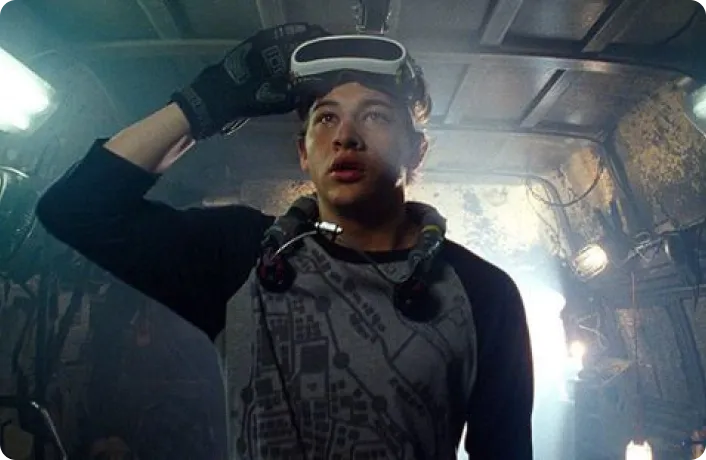
Spielberg dives straight into the world of virtual reality. This film, adapted from Ernest Cline's novel, depicts a future where the population takes refuge in the OASIS, a vast virtual world accessible via virtual reality headsets. These headsets enable users to experience immersive adventures and reinvent themselves through avatars. Spielberg celebrates pop culture while reflecting on the possibilities and risks of digital immersion.
Virtual reality headsets, in Ready Player One, are the portal to unlimited experiences, but the film also highlights the danger of losing touch with the real world. Spielberg shows that, while virtual reality can offer a welcome escape, it must not replace human interaction and the link with the tangible world. Through this film, he encourages us to reflect on the future of virtual reality, highlighting its transformative potential while reminding us of the importance of maintaining a balance with our everyday reality.