Nowadays
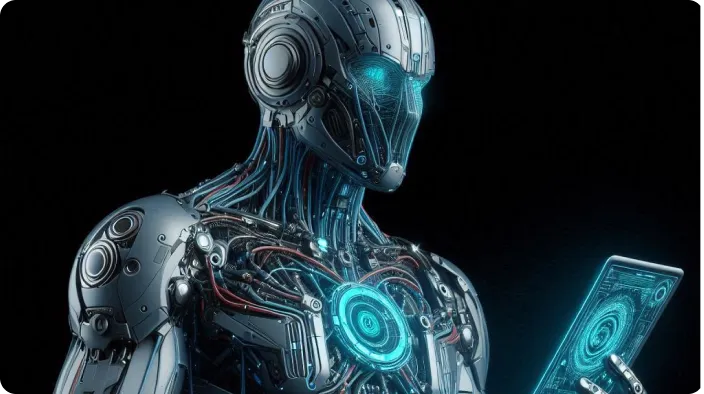
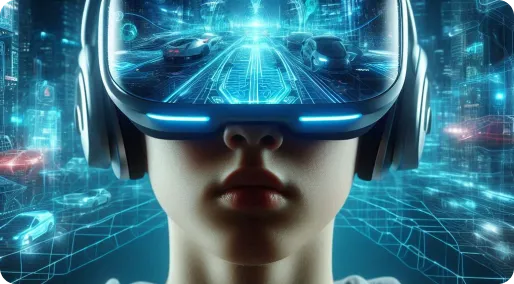
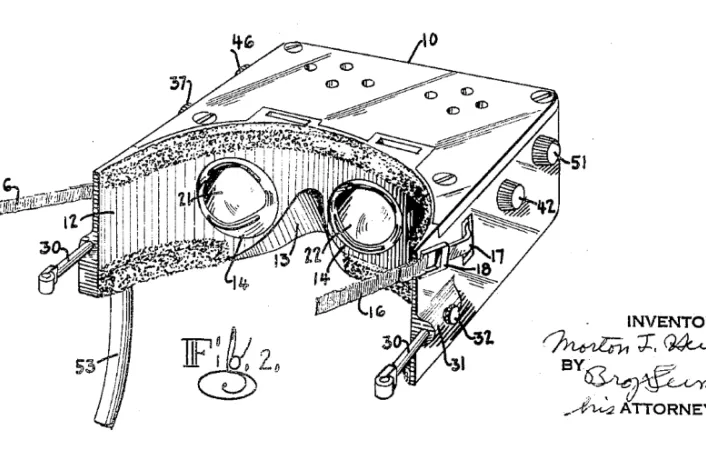
virtual reality (VR) headsets have become essential everyday devices, radically transforming the way we interact with the world. Their origins date back to the 1960s, when pioneers began exploring the possibilities of digital immersion. Over the decades, the technology evolved, with iconic models such as the Virtuality in the 1990s and devices like the Oculus Rift and HTC Vive in the early 2000s. These early versions paved the way for the spectacular growth of virtual reality as we know it today.
Modern headsets
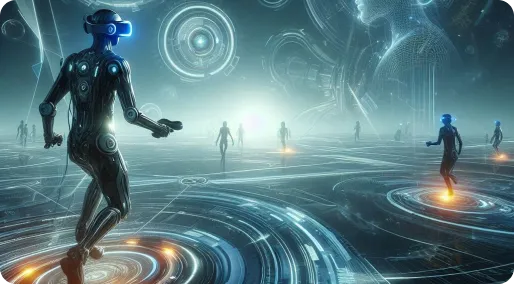
They feature advanced functionalities such as real-time motion tracking, high-resolution screens and spatialized audio systems. These innovations enable total immersion in virtual environments, where users can explore, interact and create. Thanks to haptic feedback, it is possible to feel physical sensations, making the experience even more realistic. Today's headsets also incorporate artificial intelligence, offering personalized interactions and adaptive experiences.

Virtual reality headsets
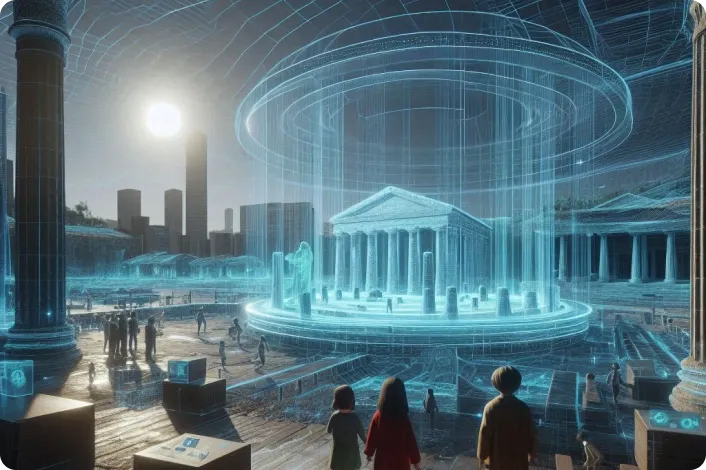
They enable a multitude of applications in various fields. In education, students can take part in interactive simulations, visiting historical sites or practicing skills in risk-free environments. In the medical sector, professionals train on realistic simulations, enhancing their expertise. Entertainment has also evolved, with immersive concerts, epic adventure games and cinematic experiences where the spectator becomes an actor.
In short
virtual reality headsets have come a long way since their inception, and continue to shape the way we live, learn and play. Looking to the future, they promise to enrich our experiences and create new ways of interacting with our environment and others. Virtual reality is not just a technology, but a gateway to a future filled with discovery and opportunity.